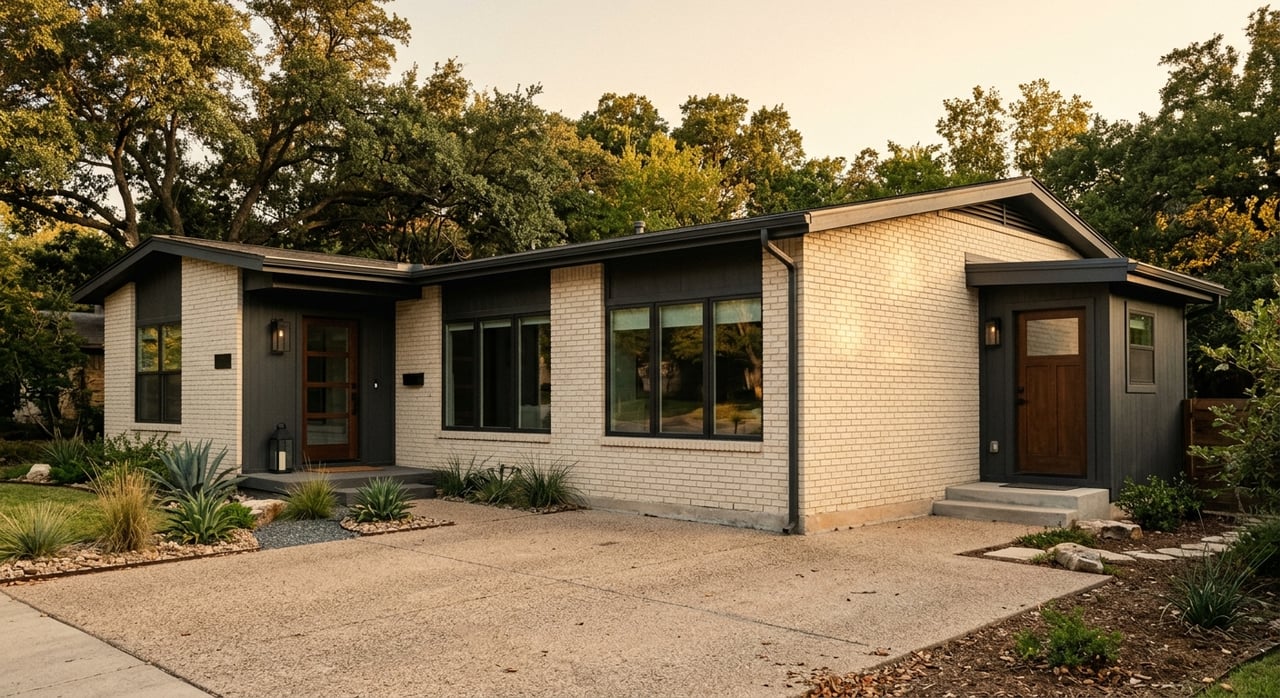
Got a backyard casita and wonder if it could help cover your mortgage? You are not alone. Many San Antonio homeowners are looking at accessory dwellings as a path to extra income and long‑term wealth. In this guide, you will learn what to verify before renting, the permits and records to keep, and how lenders look at ADU income so your cash‑flow plan matches reality. Let’s dive in.
Can you rent a casita in San Antonio?
Whether you can rent an accessory dwelling depends on local zoning, permits, and any private restrictions on your property. In San Antonio, you should review city zoning rules in the Unified Development Code, confirm permit and inspection needs, and check for short‑term rental requirements if you plan to host stays under 30 days. You also need to review HOA or deed restrictions that may be stricter than city rules.
Zoning and overlays to confirm
- Verify that an accessory dwelling is allowed in your zoning district. Look for size limits, height and setback rules, and whether conversions are treated differently than new construction.
- Ask the City of San Antonio Development Services and Planning Department about any owner‑occupancy requirements tied to ADUs and whether historic districts add design review.
- If your property is in a floodplain, historic overlay, or on septic, expect additional review or permits.
Permits, inspections, and occupancy
- Converting or building a casita for rental almost always requires permits. Typical permits include building, electrical, plumbing, and mechanical.
- Inspectors will check life‑safety items like egress, smoke and carbon monoxide alarms, electrical safety, ventilation, and proper sewer or septic connections.
- You may need a certificate of occupancy or similar documentation before leasing. Renting without required approvals can trigger fines and insurance problems.
Utilities and metering
- Ask CPS Energy and San Antonio Water System about options for separate meters or submetering. Separate meters simplify billing and can help when documenting tenant‑paid utilities for lenders.
- If you keep utilities in your name, plan for that cost in your cash‑flow model. Lenders will consider the actual expense when they calculate net rental income.
Short‑term vs long‑term rentals
- Long‑term leases are usually 30 days or more and are treated differently from short‑term or vacation rentals.
- Short‑term rentals often require registration, business licensing, and transient hotel occupancy tax collection at the city or state level. Confirm whether San Antonio requires STR registration and local tax collection before you advertise.
- Neighborhoods and HOAs may restrict STRs even when the city allows them.
HOA, deed restrictions, and private rules
- HOAs and recorded covenants can ban or limit rentals, restrict exterior changes, or require architectural review. Always read your CC&Rs and obtain HOA approval if needed.
What lenders need to count ADU rent
Lenders want to see that rental income is legal, stable, and likely to continue. That means clear proof the unit is permitted and habitable, plus documents that show consistent rent payments.
Common underwriting criteria
- Legal status: Permits and a certificate of occupancy confirm the ADU is legal. Lenders usually need this before counting rent.
- Rental history: Many lenders prefer 12 to 24 months of rent history documented on tax returns or bank deposits. New conversions often are not fully counted right away.
- Lease terms: An executed lease that shows the term, rent, and payment schedule helps underwriters verify stability.
- Market support: If you have limited history, some lenders accept a lease plus market rent data from an appraiser or broker. Many still remain conservative.
- Vacancy and expenses: Underwriters reduce gross rent for vacancy and subtract operating costs to arrive at net rental income for qualification.
Documentation checklist to present income
- Building permits and certificate of occupancy.
- Executed lease showing term and rent amount.
- Most recent 2 years of tax returns with Schedule E if available.
- Twelve months of bank statements or rent receipts showing deposits.
- Comparative market rent analysis or appraiser statement when history is limited.
- Proof of separate utilities or utility bills that show tenant payments when applicable.
- Insurance declarations with landlord endorsement or landlord policy.
- HOA documentation that shows no prohibition on rentals.
Owner‑occupied loan considerations
If you live on site, some programs treat ADU income more favorably than pure investment loans. Requirements still vary by lender. Talk with your mortgage contact early, especially if you need projected rent to qualify for a purchase or refinance.
Build a realistic cash‑flow plan
Good cash‑flow planning starts with conservative assumptions and a full list of operating costs. This helps you avoid surprises and makes your lender conversation smoother.
Key components of your model
- Gross rental income: Base this on local rent comps for similar ADUs in your neighborhood.
- Vacancy allowance: Use 5 to 10 percent for long‑term rentals. Short‑term rentals require higher assumptions and seasonal modeling.
- Operating expenses: Maintenance, repairs, utilities you pay, property management, insurance, property tax changes, HOA fees, and an annual maintenance reserve.
- Capital expenditures: Budget for big items like HVAC, roof, or appliance replacements.
- Debt service: Include the monthly payment on any financing.
- Net operating income: Gross rent minus vacancy and operating expenses.
Simple calculation worksheet
- Monthly rent: $____
- Annual gross rent: monthly rent × 12 = $____
- Vacancy allowance (%): ____ → vacancy $____
- Gross effective income: $____
- Annual operating expenses (itemize insurance, property tax share, utilities, repairs, management, HOA, advertising): $____
- Net operating income (NOI): gross effective income − operating expenses = $____
- Annual debt service: $____
- Cash flow before tax: NOI − debt service = $____
- Cash‑on‑cash return: cash flow before tax ÷ initial cash invested = ____%
Taxes to discuss with a pro
- Federal reporting: Rental income and expenses go on Schedule E. Residential rental structures are typically depreciated over 27.5 years.
- Deductions: You may deduct allocable mortgage interest, property taxes, insurance, utilities, maintenance, management fees, and depreciation tied to the rental use.
- Homestead questions: If you still live in the main dwelling on the same lot, your homestead exemption may continue. Confirm with the Bexar County Appraisal District.
- Short‑term tax items: STRs often require collection and remittance of transient occupancy taxes. Confirm rules with city and state tax offices.
Compliance steps before you lease
Confirm zoning and ADU permissibility with City of San Antonio Development Services. Get confirmation in writing when possible.
Pull required permits, pass inspections, and secure occupancy documentation before renting.
Verify separate meter or submeter options with CPS Energy and San Antonio Water System.
Review HOA and deed restrictions. Obtain architectural or board approvals if required.
Confirm sewer or septic capacity and permits. Coordinate with the county health or septic office if applicable.
Determine whether short‑term rules and hotel tax apply. Register for STR and taxes if needed before advertising.
Update insurance. Add a landlord endorsement or obtain a landlord policy to address liability and rental use.
Consult a CPA on depreciation, expense tracking, and the effect on your homestead exemption.
Talk to your lender early if you plan to use ADU rent for qualification. Share your permits, lease, rent comps, and an operating plan.
Safety and habitability items to check
- Safe exits and required egress windows.
- Working smoke and carbon monoxide detectors.
- Proper heating and ventilation.
- GFCI and AFCI protection as required by code.
- Potable water and correct sewer or septic connection.
Recordkeeping
- Keep leases, rent ledgers, deposit records, repair invoices, tax filings, and insurance documents.
- Maintain at least 3 to 5 years of records. Lenders often ask for up to 24 months of evidence.
Avoid common pitfalls
- Renting without permits or occupancy documents can lead to fines, loss of insurance coverage, and lender pushback on income.
- Expect seasoning requirements. A brand‑new casita often cannot be fully counted for mortgage qualification until you build history.
- Do not skip private covenants. HOAs and deed restrictions can block rentals or impose strict rules even when the city allows ADUs.
- Align insurance with use. Long‑term and short‑term rentals carry different risks and coverage needs.
How Sold in San Antonio can help
You can move faster and avoid missteps with a clear plan. As a veteran‑led, investor‑savvy real estate team, we help you confirm zoning, connect with permit officials, and pull neighborhood rent comps so your numbers are real. If you decide to lease, we offer rental placement and property management, and we stay with you after closing with ongoing support.
If you are exploring a casita project, reach out for local guidance, conservative cash‑flow modeling, and introductions to lenders who regularly underwrite ADU income. Schedule a Free Consultation with Sold in San Antonio to map your next steps with confidence.
FAQs
Can I legally rent my San Antonio casita?
- It depends on zoning, permits, and private restrictions. Confirm permissibility with City of San Antonio Development Services and review HOA or deed restrictions.
Do I need a certificate of occupancy for an ADU rental in San Antonio?
- Many rentals require occupancy documentation after permits and inspections. Verify with the city before leasing to avoid fines and insurance issues.
How do lenders count ADU rent on an owner‑occupied property?
- Lenders usually want proof the unit is legal plus a lease and rental history. Many prefer 12 to 24 months of documented deposits or Schedule E.
Can I use projected rent if my casita is new with no history?
- Some programs accept a signed lease and market rent analysis, but many lenders apply conservative adjustments or require history. Ask your lender early.
What is the difference between long‑term and short‑term rentals in San Antonio?
- Long‑term leases typically run 30 days or more. Short‑term rentals often require registration and hotel tax collection. Confirm city rules before listing.
Do I need separate utility meters for my ADU?
- Not always, but separate meters from CPS Energy and SAWS can simplify billing and documentation. If you pay utilities, budget for the expense in your model.
Will renting my casita affect my homestead exemption in Bexar County?
- If you live in the main dwelling on the same lot, your homestead may continue, but improvements can change assessed value. Confirm with the appraisal district.