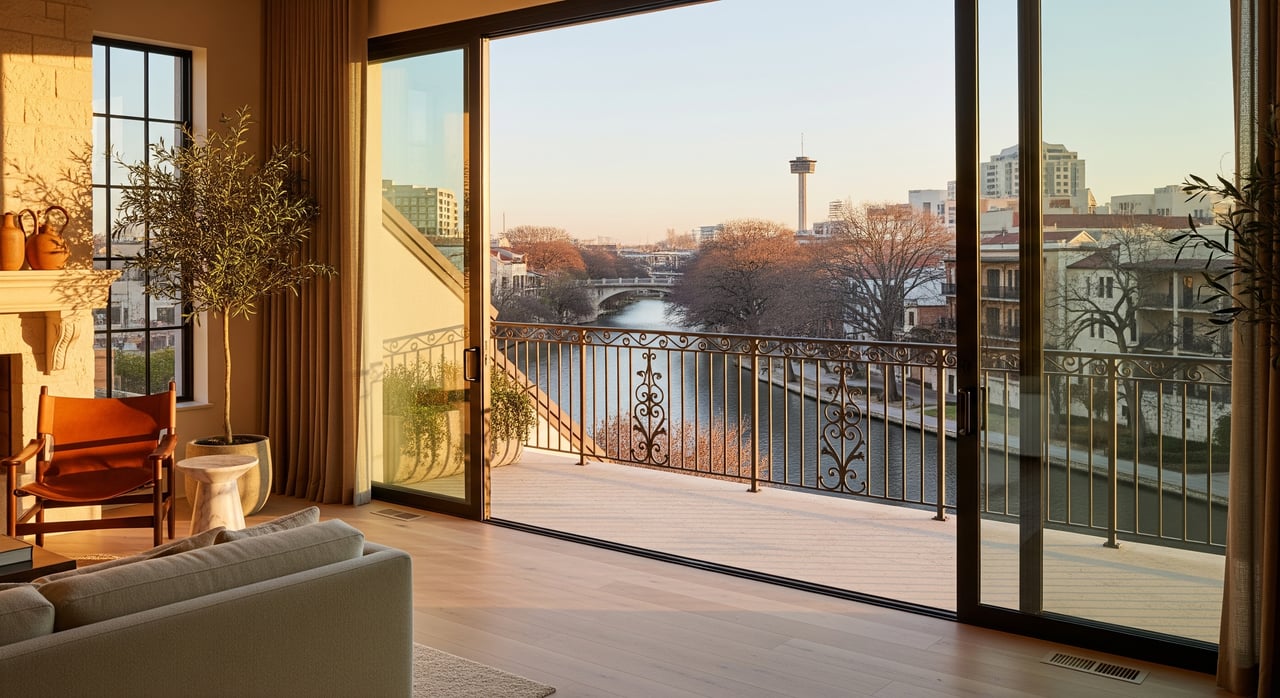
Ever wondered what it’s like to live steps from the River Walk, where coffee shops, theaters, and parks are part of your daily routine? If you’re weighing the energy and convenience of the city core against tradeoffs like noise, parking, and space, you’re not alone. In this guide, you’ll get a practical look at Downtown San Antonio living: neighborhoods, housing types, commute options, daily amenities, and how it compares to other parts of the city. Let’s dive in.
Neighborhoods at a glance
Alamo Plaza and the River Walk
This is the heart of downtown life, home to the Alamo, the River Walk, and a high concentration of restaurants and hotels. You’ll find condo towers, loft conversions, and newer apartment buildings near the water. Crowds and activity levels are highest here, especially on evenings and weekends. If you love being in the center of it all, this core is unmatched for dining and entertainment access.
Hemisfair, East Market, and St. Paul Square
These pockets offer ongoing mixed-use redevelopment with parks, events, and residential options above street-level retail. Hemisfair Park provides green space and regular community programming. Housing ranges from modern apartments to boutique condos. You get urban convenience with a bit more breathing room than the River Walk blocks.
King William and Lavaca
These historic districts south of downtown feature Victorian, Craftsman, and bungalow homes on smaller lots. You’ll also see small apartment conversions and townhome infill. Streets feel more residential with tree-lined blocks, galleries, and cafes nearby. These areas are walkable to the core while keeping a neighborhood feel.
Southtown and South Flores
Just south of the River Walk, Southtown blends arts, dining, and intimate residential pockets. You’ll find small single-family homes, lofts, and apartments near galleries and popular restaurants. Activity can vary block by block, with quieter streets a few turns away from busy corridors. It’s a draw if you want an arts-forward vibe with quick access to the core.
Pearl District
North of downtown, the Pearl is a former brewery site turned mixed-use destination with condos, apartments, restaurants, and a popular farmers market. Central Market and specialty retail make errands convenient. Many residents split their time between the Museum Reach trails and the core’s cultural venues. Housing leans multifamily with some boutique condo options.
Broadway, Tobin Center, and the west edge
Around the Tobin Center and along Broadway, you’ll see a mix of apartments, condos, and cultural institutions. The western edge of downtown is evolving with residential buildings and access to major highways. Expect a blend of performance venues, river access, and growing residential choices.
Housing types and market realities
Downtown housing skews toward condos and apartments. You’ll see everything from conversion lofts in historic buildings to mid-rise and high-rise residences near the river. New construction often emphasizes amenities like fitness centers, rooftop lounges, and structured parking.
Historic single-family homes cluster in King William, Lavaca, and parts of Southtown. These properties often sit on smaller lots and reflect 19th- and early 20th-century architecture. Buyers drawn to character, front porches, and walkable streets often start here.
Mixed-use developments are common, especially in the Pearl, Hemisfair, and along sections of Commerce and Broadway. Ground-floor retail with residences above can put daily conveniences downstairs. Boutique infill continues to add new condo choices in prime blocks.
Inventory in the core leans rental and condo, with limited single-family opportunities that typically command a premium. Price per square foot often runs higher than many suburban neighborhoods due to walkability, views, and scarcity. Historic rehab is common for smaller homes and loft conversions, so expect a mix of old and new finishes.
Getting around day to day
Walkability and short errands
The downtown and River Walk area is among the most walkable parts of San Antonio. Restaurants, coffee shops, cultural venues, and services are densely clustered. Neighborhoods a few blocks off the river, like Lavaca and King William, keep good pedestrian access. Walkability tapers as you move farther out.
Transit and rideshare
VIA Metropolitan Transit runs the city’s bus network, and downtown is a central hub. Frequent corridors like VIA Primo and select microtransit pilots, such as VIA Link, improve access on key routes. Transit ridership citywide is modest, and the system is bus-based, but downtown residents have better access than many other neighborhoods. Rideshare, taxis, and scooters fill in gaps for late-night and door-to-door trips.
Biking and trails
You can bike to many daily destinations, with dedicated lanes in parts of the core and bike racks on many buses. The Museum Reach and Mission Reach river trails offer scenic routes for recreation and short trips. Scooters are common for quick hops between districts.
Parking and commutes
Street parking in the core is usually metered and time-limited. Many buildings include structured or deeded parking, and monthly garage passes are common. Some nearby neighborhoods use residential permit parking, so you should confirm rules for your target block.
San Antonio’s typical one-way commute time sits in the mid-20s minutes according to long-term Census estimates, and central residents often have shorter trips to downtown jobs. Driving remains the predominant mode citywide. Congestion concentrates on radial highways into the core, including I‑10, I‑35, and I‑37.
Amenities and lifestyle
Dining, grocery, and retail
You have a wide range of dining choices, from Tex-Mex staples to fine dining, concentrated along the River Walk and at the Pearl. The Pearl’s Central Market and specialty shops make it a grocery hub near downtown. Full-service supermarkets are available nearby, though not always within the immediate core. Coffee shops, convenience markets, and boutique retailers are woven throughout the central districts.
Arts, culture, and entertainment
Downtown is the city’s cultural engine. You can enjoy the Tobin Center for the Performing Arts, the Majestic Theatre, and smaller live music venues. The San Antonio Museum of Art anchors the Museum Reach, and Hemisfair Park offers green space and events. The Pearl hosts a popular farmers market and rotating cultural programming.
Events and crowds
Fiesta San Antonio, river parades, holiday lights, and concerts draw visitors year-round. These events bring energy and color to the streets, along with heavier pedestrian traffic and fuller restaurants. If you plan to live near the River Walk or Alamo Plaza, expect peak activity on evenings and weekends.
Everyday realities to weigh
Noise and activity
Urban life brings more ambient noise than quiet residential areas. Nightlife, riverboat music, street events, construction, and deliveries can extend into later hours. Properties near highways may experience added road noise. Touring at different times of day helps you understand a block’s sound profile.
Safety and situational awareness
As in many city centers, some downtown blocks experience higher rates of thefts and property crime than quieter residential areas. Crime patterns vary by block and time of day. Review current SAPD crime maps, speak with neighbors or building management, and consider building security and property policies when you evaluate a unit.
Families and schools
Some families choose downtown for walkability and access to parks and culture. Typical considerations include unit size, limited private yard space, and specific school options. School assignments depend on the exact address, so verify zoning and transportation details before you decide.
Utilities, services, and flood awareness
Utilities and municipal services are fully available. For properties along the river or in low-lying areas, review floodplain maps for context. If you plan to keep a car, confirm parking terms and any monthly costs. For condo or mixed-use buildings, review HOA rules covering pets, short-term rentals, and noise.
Who thrives downtown
- Singles and young professionals who value short commutes, nightlife, and cultural access.
- Couples who want walkability, dining variety, and smaller spaces that are easy to maintain.
- Families who prefer urban amenities and are comfortable with multi-level buildings or historic homes on smaller lots.
- Seniors and empty nesters who want elevators, lock-and-leave living, and walkable access to services and medical facilities.
- Small investors and landlords seeking centrally located rentals near major employers and attractions.
Downtown vs other San Antonio areas
Compared with Alamo Heights and Terrell Hills, downtown is more compact with more condos and mixed-use blocks. Those neighborhoods offer tree-lined residential streets, larger lots, and a higher concentration of single-family homes.
Compared with Stone Oak, The Dominion, and other far-northwest suburbs, downtown is denser and more walkable. Suburban areas typically provide larger homes and yards, more garage space, and longer car-based commutes to downtown jobs.
Compared with Southside neighborhoods, Southtown and adjacent areas feel more arts-oriented and close to galleries and restaurants. Late-night activity varies by block, so touring both weekday and weekend evenings is smart.
How to choose the right block
- Visit at multiple times: weekday morning, weekday evening, and weekend night. Note noise, traffic, and crowd levels.
- Check parking: confirm included spaces, guest parking, monthly garage options, and residential permit zones.
- Walk your daily life: map your route to groceries, coffee, parks, and your transit stop.
- Review building rules: understand HOA or lease policies on pets, short-term rentals, and quiet hours.
- Talk to neighbors and management: ask about maintenance response, package security, and event impacts.
- Verify school zoning and transportation if that matters for your household.
- Consider flood context for river-adjacent properties.
- Test your commute and an alternative route. Try a bus or rideshare during peak times.
- Plan for storage and outdoor space: look for on-site storage, balconies, or nearby parks.
Ready to explore homes and leases downtown?
If downtown fits your lifestyle, you deserve a partner who knows the blocks, buildings, and tradeoffs. As a veteran-led, investor-savvy real estate practice, we help you compare condo towers, historic homes, and mixed-use options with clear guidance on parking, HOA rules, and rental potential. When you are ready to tour, connect with Scott Alexander for a local, service-first plan that matches your budget and goals.
FAQs
What is day-to-day life like near the River Walk?
- You get exceptional access to restaurants, theaters, and parks, along with higher pedestrian traffic and nightlife activity on evenings and weekends.
How walkable is Downtown San Antonio for errands?
- The core is among the city’s most walkable areas, with many daily needs close by, while walkability decreases as you move farther from the river.
Do I need a car to live downtown?
- Many residents keep a car for trips outside the core, but short errands, dining, and entertainment are often doable on foot, bike, or transit and rideshare.
What should I expect for parking downtown?
- Street parking is typically metered and short-term, and many buildings offer structured or deeded spaces; monthly garage parking is common.
How long are typical commutes from downtown?
- Census estimates put typical one-way commutes in the mid-20s minutes for the region, and central residents often have shorter trips to downtown jobs.
Are there grocery stores near Downtown San Antonio?
- Yes, with specialty markets and Central Market at the Pearl nearby; full-service supermarkets are available a short drive from the immediate core.
How noisy is it to live near Alamo Plaza and the River Walk?
- Expect more ambient noise from nightlife, events, and deliveries, especially on weekends and during major festivals.
Is Downtown San Antonio safe for residents?
- Safety varies by block and time of day; review SAPD crime maps, speak with neighbors, and consider building security features when evaluating a property.